Community
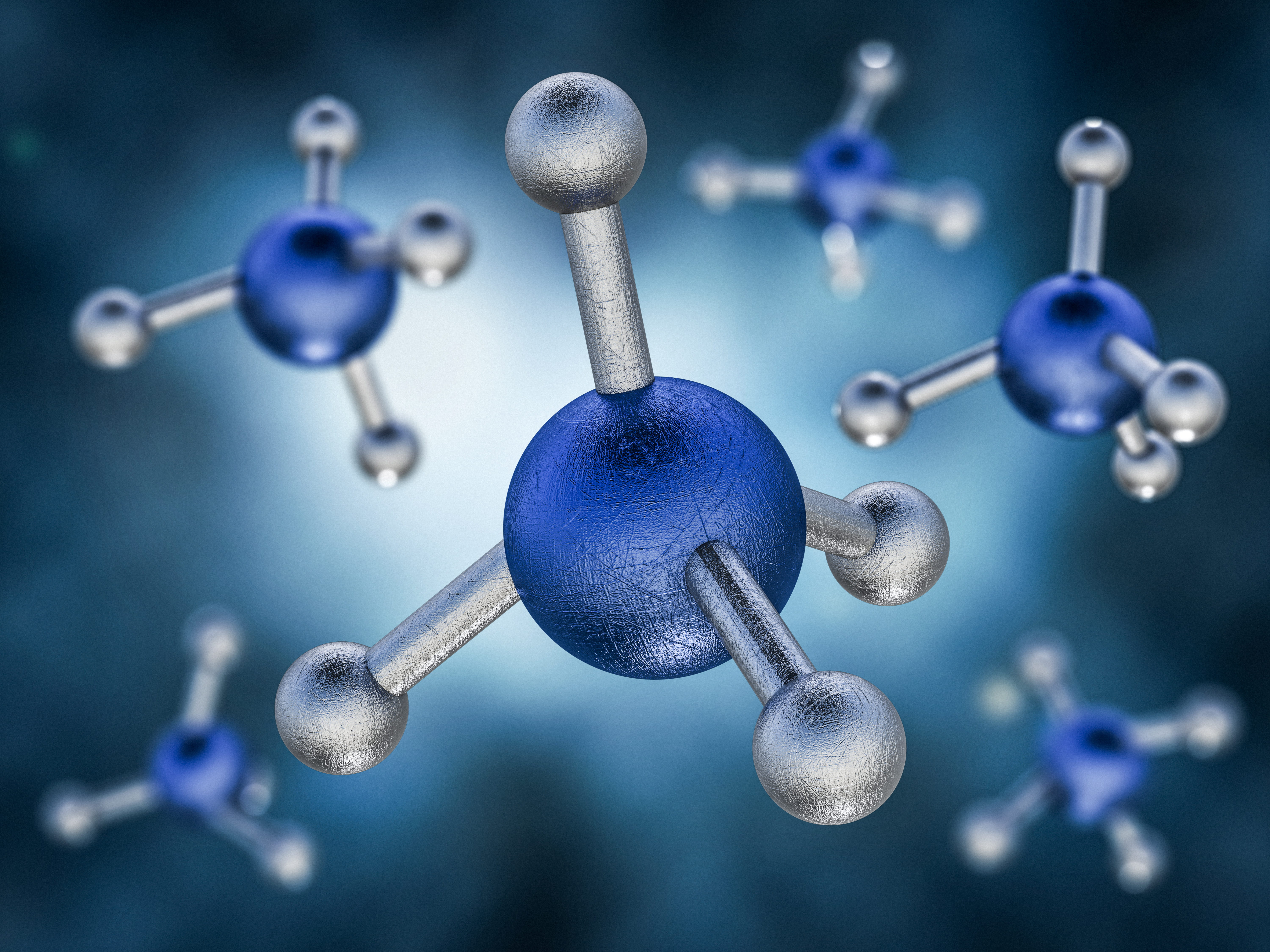
Before a furnace heats a home or a light switch is clicked on, two tiny methane molecules (CH₄) have already journeyed thousands of kilometres.
Our molecule story focuses on Ontario, but it plays out across North America.
This journey began beneath Western Canada's surface.
These molecules are ancient, formed from plants and tiny organisms, long before cities, provinces, or pipelines existed.
Millions of years ago, vast inland seas covered much of the continent. Tiny plants and microorganisms lived and died in those waters, settling layer upon layer on the seabed. Over immense stretches of time, sediment buried those organic remains.
Pressure increased. Temperatures rose. Carbon and hydrogen atoms reorganized, forming natural gas. Locked within porous rock far underground, geology and time held them in place.
Until one day, human ingenuity reached down to meet them.
Rising to the surface
In Western Canada, modern drilling safely accessed these underground reservoirs. Wells were carefully drilled into the rock. Natural gas rose to the surface, where workers separated it, processed it, and prepared it for transport.
Among billions upon billions of molecules entering Canada’s vast energy network, the two began a long journey east.
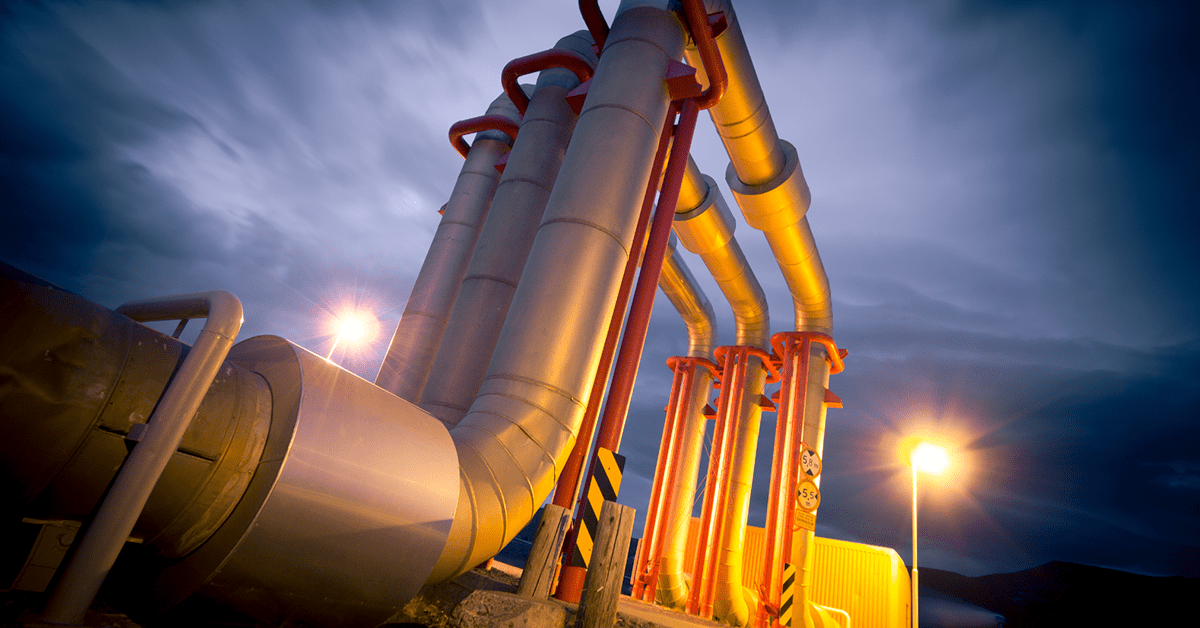
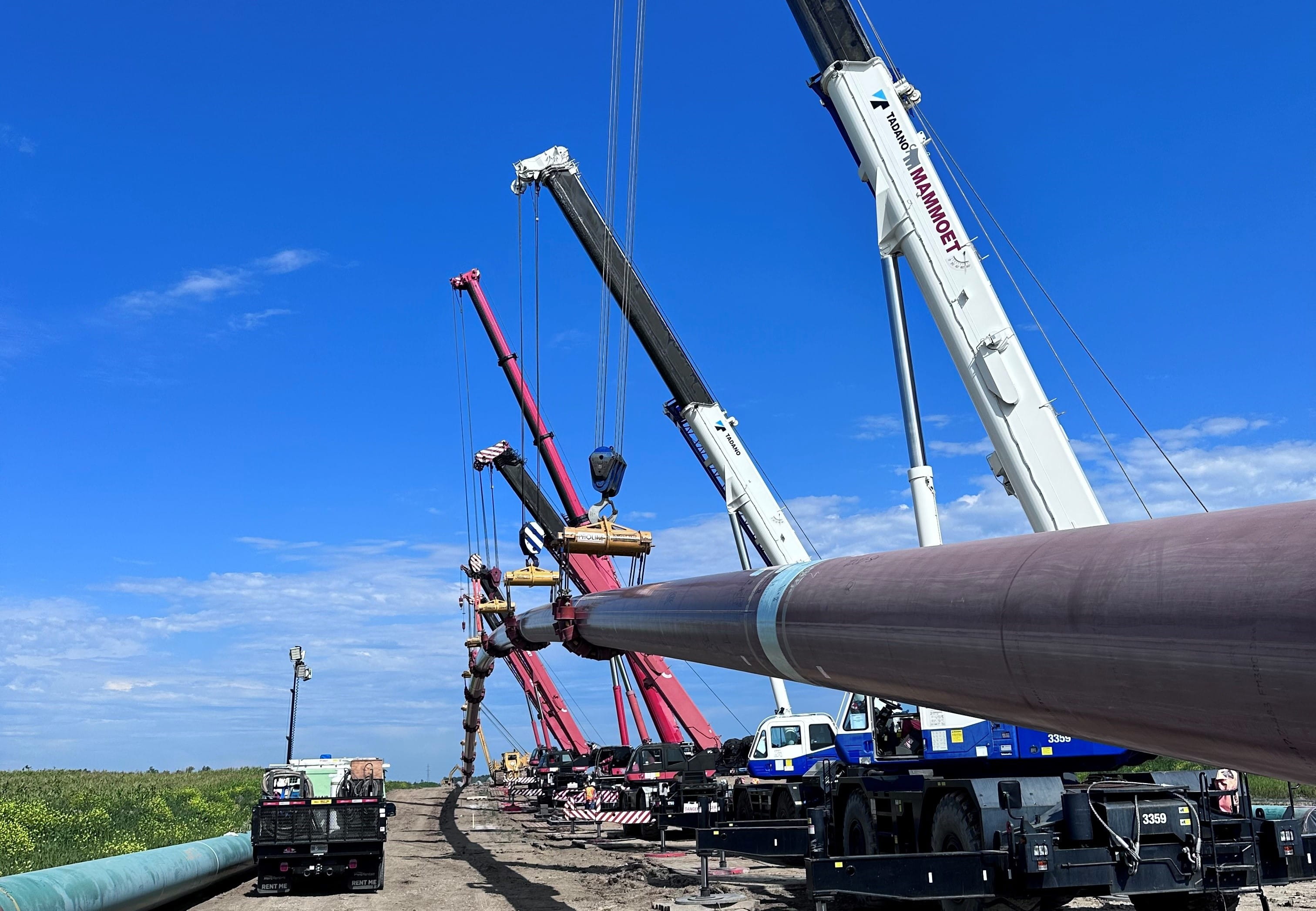
They entered transmission pipelines, massive steel corridors that stretch across the country. Along the route, compressor stations kept the molecules moving steadily, pushing them safely beneath farmland, rivers, forests, and cities.
The molecules travelled quietly beneath landscapes and communities that will never see them. Yet those communities will rely on them, especially when seasons change and energy demand shifts.
Eventually, the pipelines guided them to one of North America's most important energy crossroads.
Enbridge Gas Dawn Hub
In southwestern Ontario lies the Enbridge Gas Dawn Hub. Few people have heard of it, yet millions depend on it every day.
Deep underground, enormous pinnacle reefs were depleted of their natural gas molecules decades ago, but now serve as refillable energy vaults, storing natural gas until it is needed.
When demand is lower, gas flows into storage. When demand rises, it flows back out. That flexibility matters when customers need energy quickly and reliably.
Our two molecules arrived together and settled into storage deep underground. They waited. But the energy system never stands still for long.
Electricity demand rises and falls throughout the day.
Factories start their shifts. Transit systems move people across cities. Hospitals operate around the clock. Businesses and homes all draw power from the same grid.
Some hours are steady. At other times, demand spikes. Natural gas-fuelled power plants are built for those moments, especially in summer when air conditioners run full tilt.
At the start of a heat wave, the first molecule is put into motion, along with many others. It leaves Dawn and moves through transmission pipelines toward a generating station.
Inside the facility, the molecules burn in a controlled process that produces heat. That heat drives turbines. Generators produce electricity.
Within moments, that electricity moves through Ontario’s transmission lines. Power flows across the province, supporting homes, workplaces, transportation systems, and critical infrastructure.
The molecule’s impact is felt everywhere.
A winter story for the second molecule
The second molecule followed a different path as fall turned to winter and temperatures dropped.
When homeowners turned on their furnaces, our molecule was ready.
Instead of travelling to a power plant, it moved through Enbridge Gas pipelines toward Toronto.
Large natural gas transmission lines gradually gave way to smaller distribution pipes. The network narrowed as the journey became more local, street by street, neighbourhood by neighbourhood.
Eventually the molecule reached a brick home where a family was starting their day.
The furnace started. Warm air moved through the house. Outside, the city woke up to frigid weather. Inside the home, comfort simply arrived.
The molecule had done its job.
The system beneath the surface
The molecules never know where they will end up. The energy system does.
Across North America, natural gas moves through a vast network of production fields, pipelines, storage facilities, and energy infrastructure. It is designed to deliver energy safely and reliably, whether it supports electricity generation, heats homes, or powers businesses and industry.
Places like the Dawn Hub make that possible.
They allow energy to move when and where it is needed most.
Most people never think about the journey behind the energy they use every day.
But somewhere beneath the surface, molecules are always moving. Across borders. Through pipelines, into power plants and homes.
#Molecules #NaturalGas #MoleculeJourney
