







What is Integrated Resource Planning (IRP)?
IRP is a comprehensive approach to natural gas system planning that considers both traditional facility and non-pipeline IRP alternatives (IRPAs) to meet a system need. These alternatives are assessed to determine whether they can reduce, defer or avoid a traditional pipeline project, while taking into consideration safety, reliability, cost-effectiveness, public policy, optimized scoping and risk management.
Non-pipeline IRP alternatives can include:
Demand side alternatives
- Lowering or shifting peak-period natural gas demand through programs such as enhanced targeted energy efficiency or demand response programs.
Supply side alternatives
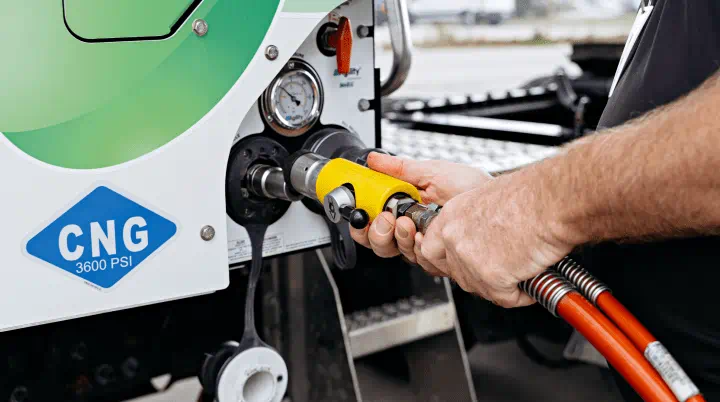
- Delivering more natural gas without adding new pipeline using compressed natural gas or liquified natural gas.
- Adding supply through upstream deliveries.
Alternatives can be implemented individually or in combination to meet the system need cost effectively and within the required timeframe.
How the IRP Assessment process1 works

Identifying the need
System needs/constraints are identified in the Enbridge Gas Asset Management Plan.

Screening the need
Projects first go through screening based on specific criteria approved by the Ontario Energy Board. This ensures a focus on projects where there is a reasonable expectation that an IRP alternative could efficiently and economically meet the system need.

Two-stage evaluation
Projects are evaluated based on technical and economic feasibility. During this evaluation stage, the optimal alternative to address the system constraint will be determined.

Periodic review
While the evaluation is conducted on the best available information at the time, project scopes and system needs may evolve over time. As such, projects are routinely reviewed, and evaluation results are reported annually.
1 IRP Framework was published by the OEB on July 22, 2021.
Current IRP Projects
Southern Lake Huron Pilot Project
This pilot project is located within the City of Sarnia and the Village of Point Edward in the County of Lambton. The IRP alternatives being explored for this pilot project include demand side alternatives, such as demand response and enhanced targeted energy efficiency programs which will be explored to reduce or shift peak demand on the system.
Read moreSystem Pruning Pilot Project
Enbridge Gas is conducting a pilot to test the concept of system pruning, where system pruning refers to the decommissioning of a portion of the natural gas system that has been identified as requiring future investment. This approach would only be pursued when every customer serviced by that segment of main is willing to disconnect from the natural gas system.
A small group of customers have been identified for this pilot, located at the end of gas mains and with services that will require investments in coming years.
IRP Webinars | Stakeholder Engagement
The IRP webinars are designed to provide municipal planners, technical professionals, and regulatory stakeholders with an overview of IRP, the results of the IRP assessment on the 2026 Asset Management Plan Addendum – including a summary on projects by region – and an update on ongoing IRP pilot projects.
Past webinars:
2025/2026
Sign up
Please contact us at IRP@enbridge.com to receive email updates regarding upcoming stakeholder events and webinars.
