







Know what to do before, during, and after an emergency to keep your home and family safe.

If you smell gas, act fast
Leave the area immediately.
Do not use switches, phones, or anything that could spark.
Call 911 or your local emergency services number from a safe distance.
Do not re-enter the building until it has been inspected. Do not attempt to relight appliances.
Keeping the public safe during a flood
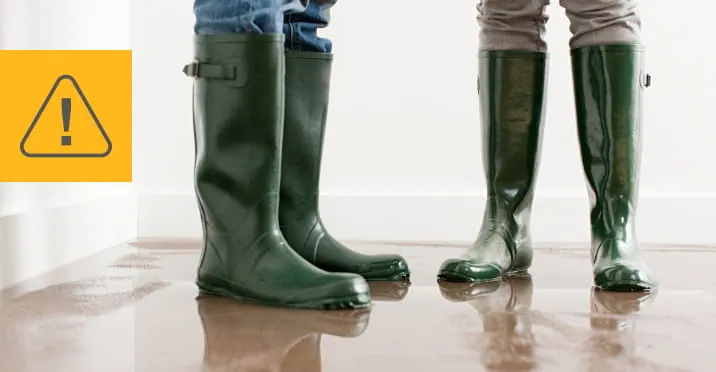
Flooding can happen quickly and cause serious damage to your home, including natural gas equipment and appliances. Rising water can affect meters, extinguish pilot lights, and make equipment unsafe to operate. Knowing how to prepare and respond before, during, and after flooding can help protect your home and ensure your safety.
For your safety, Enbridge Gas representatives will shut off customers natural gas supply in the affected area, where the gas meters can be safely accessed. We do not need to enter homes or business to do this.
| Before a flood | During a flood | After a flood |
|---|---|---|
|
|
|
Storms and severe weather
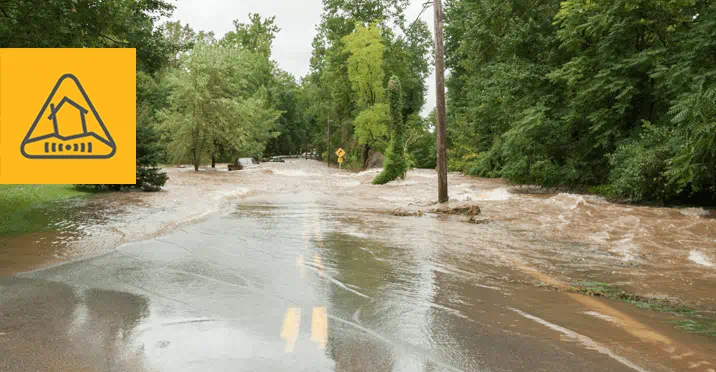
Severe storms and hurricanes can bring high winds, heavy rain, and flying debris that may damage natural gas equipment or infrastructure. While natural gas service is typically reliable, extreme weather can still create hazardous conditions. Being prepared helps you respond safely and minimize risks to your home and family.
Know what to do when a storm is approaching and how to respond if your service is interrupted.
| Before a storm | During a storm | After a storm |
|---|---|---|
|
|
|
Earthquake preparedness
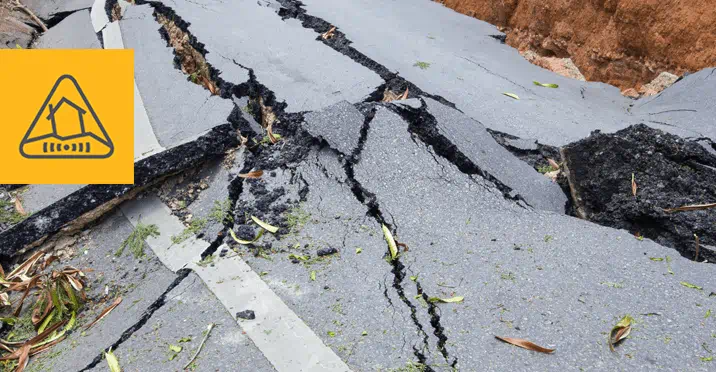
Earthquakes can occur without warning and may damage natural gas lines, appliances, and other essential systems in your home. Taking steps to prepare in advance—and knowing what to do during and after shaking—can reduce the risk of injury and help you respond safely in an emergency.
Learn how to prepare your home and family before, during and after an earthquake, including important natural gas safety information for customers.
| Before an earthquake | During an earthquake | After an earthquake |
|---|---|---|
|
|
|
Know when to shut off your gas
It is not always necessary to turn off your natural gas after an earthquake.
In many past earthquakes, customers shut off their gas unnecessarily, leading to extended service interruptions and delayed restoration efforts.
Only turn off your natural gas if it is SAFE to do so and:
- You smell natural gas
- You hear gas leaking or see other signs of a gas leak
- There is visible structural damage
- There is fire near the meter or gas piping
- Emergency officials or Enbridge Gas instruct you to do so
If you need to shut off your natural gas
The shutoff valve is located near your natural gas meter. Using a wrench, turn the valve one-quarter turn until it is perpendicular (crosswise) to the pipe.
Some shutoff valves may operate differently depending on the installation. Customers should only attempt to shut off natural gas if it is safe to do so.
TIP:
Keep a 12-inch or larger adjustable wrench with your emergency supplies or near your shutoff valve. Do not store the wrench on the meter or other natural gas piping or equipment.
Once natural gas service is shut off, it should only be restored by Enbridge Gas or a qualified professional.
After a major earthquake, restoring natural gas service may take time depending on the severity of the event and the number of affected customers. Critical facilities and emergency response locations may be prioritized during restoration efforts.
Customers should not attempt to restore natural gas service or relight appliances themselves.
Resources
Important safety information on gas service outages
Your safety is our top priority. In the event of a natural gas leak, we work with emergency responders to secure the area, which may include temporary evacuations or road closures.
Here’s what to expect during a gas outage:
- Gas service may be shut off for safety
- Repairs may involve excavation and system checks
- Enbridge Gas crews will go door-to-door to restore service


Restoring your service
To safely restore service:
- Technicians must enter your home
- Appliances will be inspected and relit by trained personnel
- An adult must be present
If you are not home:
- Leave your contact information with a neighbor.
- We will return or leave instructions on how to reconnect your service.

How you can help
To complete restoration quickly and safely, please:
- Provide access to your home or business.
- Ensure someone 18+ is present.
- Leave a light on: Keep your porch light on to help us locate your home.
- Prevent freezing: If temperatures are low, leave a small trickle of water running.
Our representatives and contractors carry photo ID—ask to see it anytime.

Keeping you informed
We’ll keep you informed during an outage:
- Smaller outages: Direct contact by phone or in person
- Larger outages: Updates through:
- Automated calls to affected customers
- Social media (e.g., X (formerly Twitter))
- Emergency line
- Local municipality channels (if activated)
Do not attempt to relight appliances yourself.
Why do gas outages occur?
Most gas outages happen when our pipelines are hit by contractors, homeowners or others who dig without first locating all underground utilities, or they do not follow the locate instructions.
Carbon Monoxide Safety
- Install CO alarms on every level of your home
- Test monthly and replace batteries twice a year
- Replace alarms before their expiration date
Important Reminders
- CO alarms do not detect natural gas leaks
- Never use outdoor equipment (generators, BBQs) indoors
- Keep vents and chimneys clear and maintained
Frequently asked questions
In order to restore service, our utility service representatives must go door-to-door to enter each home and business to relight appliances. This can take some time, and it is not possible for us to provide exact timing for individual customers. We take steps to restore service as quickly as possible including bringing in additional help from surrounding areas, and working extended hours. For larger gas outages, updates on the restoration status are provided on X.
Contact us at 1-877-776-2427 for North Carolina, 1-877-542-2630 for Ohio, 1-866-763-5427 for Ontario and 1-800-767-1689 for Utah, Wyoming and Idaho.
If possible, please leave your contact information with a neighbor. We will stop by several times and if we miss you, we will leave behind instructions about how to contact us to restore your natural gas service when you return.
To ensure your family's safety, our trained utility service representative will relight your appliances. Please do not attempt to do so on your own.
